The Statutory Foundation for Tax-Free Insurance Benefits
IRC Section 104(a)(3) has been part of the tax code since 1954. It establishes a simple principle: when you pay insurance premiums with after-tax dollars, the benefits you receive are tax-free.
This 70-year-old provision is the legal foundation for compliant dual-premium wellness programs—and it's never been challenged by the IRS.
"[G]ross income does not include... amounts received through accident or health insurance (or through an arrangement having the effect of accident or health insurance) for personal injuries or sickness."
This exclusion applies when premiums are paid with after-tax dollars. Treasury Regulation §1.104-1(d) confirms: "If an individual purchases a policy of accident or health insurance out of the individual's own funds, amounts received thereunder for personal injuries or sickness are excludable from gross income."
When an employee pays insurance premiums with money that has already been taxed (after-tax dollars), the benefits received from that policy are excludable from gross income. The employee has already paid tax on the money used to buy the coverage.
Unlike Section 105(b), which limits exclusions to actual medical expense reimbursements, Section 104(a)(3) has no such limitation. Benefits can exceed actual expenses and still be tax-free—as long as premiums were paid after-tax.
Fixed indemnity policies—which pay set amounts for covered events regardless of actual expenses—qualify under Section 104(a)(3). Revenue Ruling 69-154 confirms that "excess" payments beyond actual expenses are excludable when premiums are paid after-tax.
The key is WHO pays the premium and HOW. If the employer pays (or premiums are paid pre-tax through salary reduction), Section 105 applies. If the employee pays with after-tax dollars, Section 104(a)(3) applies.
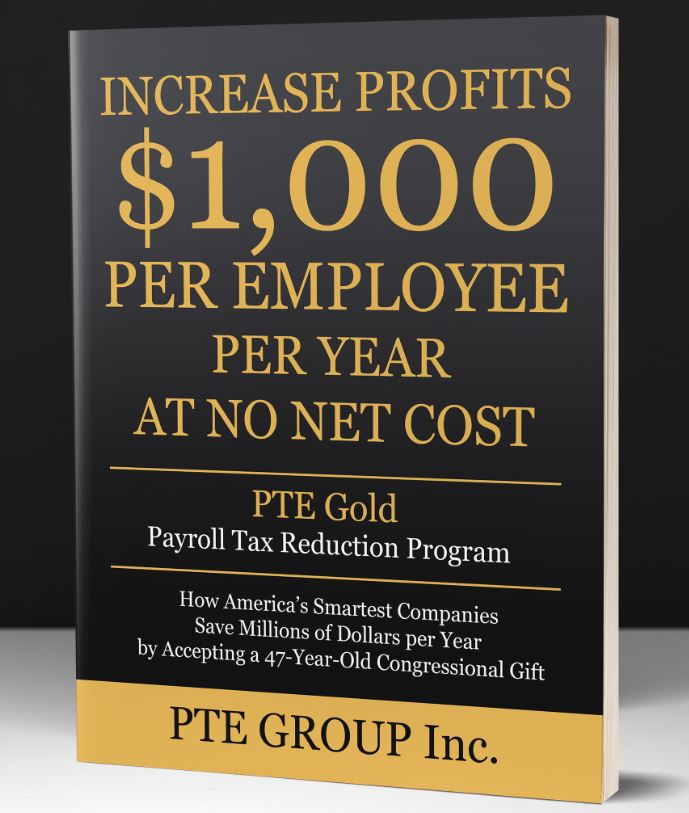
The PTE Gold Book provides comprehensive analysis of Section 104(a)(3), related Treasury Regulations, and how these provisions apply to dual-premium wellness programs.
Get Your Copy →